

Should You Join Shopify 2026? Winter '26 Platform Evaluation

Published December 12, 2025 | 10 min read | By CLEARgo
Quick Summary: Shopify Winter '26 (Renaissance Edition) introduces AI-powered operations, risk-free testing capabilities, and new revenue channels. This guide helps business leaders evaluate platform fit, assess implementation requirements, and determine strategic alignment. Key capabilities include Sidekick AI operations, SimGym testing simulation, Agentic Storefronts for AI commerce, Product Network for inventory-free expansion, and enhanced B2B features.
What Is Shopify Winter '26?
Shopify Winter '26, branded as "The Renaissance Edition," represents a fundamental platform evolution. The release embeds artificial intelligence throughout the commerce platform, moving beyond chatbot-level assistance to AI as a business operations partner.

The Renaissance thesis: Just as the historical Renaissance transformed human capability through new tools and knowledge, Winter '26 positions AI as transformative technology embedded natively in commerce operations.
Shopify Winter '26 introduces AI-powered operations through Sidekick, risk-free testing with SimGym and Rollouts, and new revenue channels including Agentic Storefronts and Product Network. The platform shift emphasizes AI-first commerce where businesses leverage built-in capabilities rather than assembling third-party integrations.
Released: December 10, 2025
Core Philosophy: AI-native commerce platform with testing, automation, and channel expansion built into the foundation rather than added through apps.
Key Capabilities Overview
Winter '26 organizes capabilities across three strategic themes:
1. AI-Powered Operations
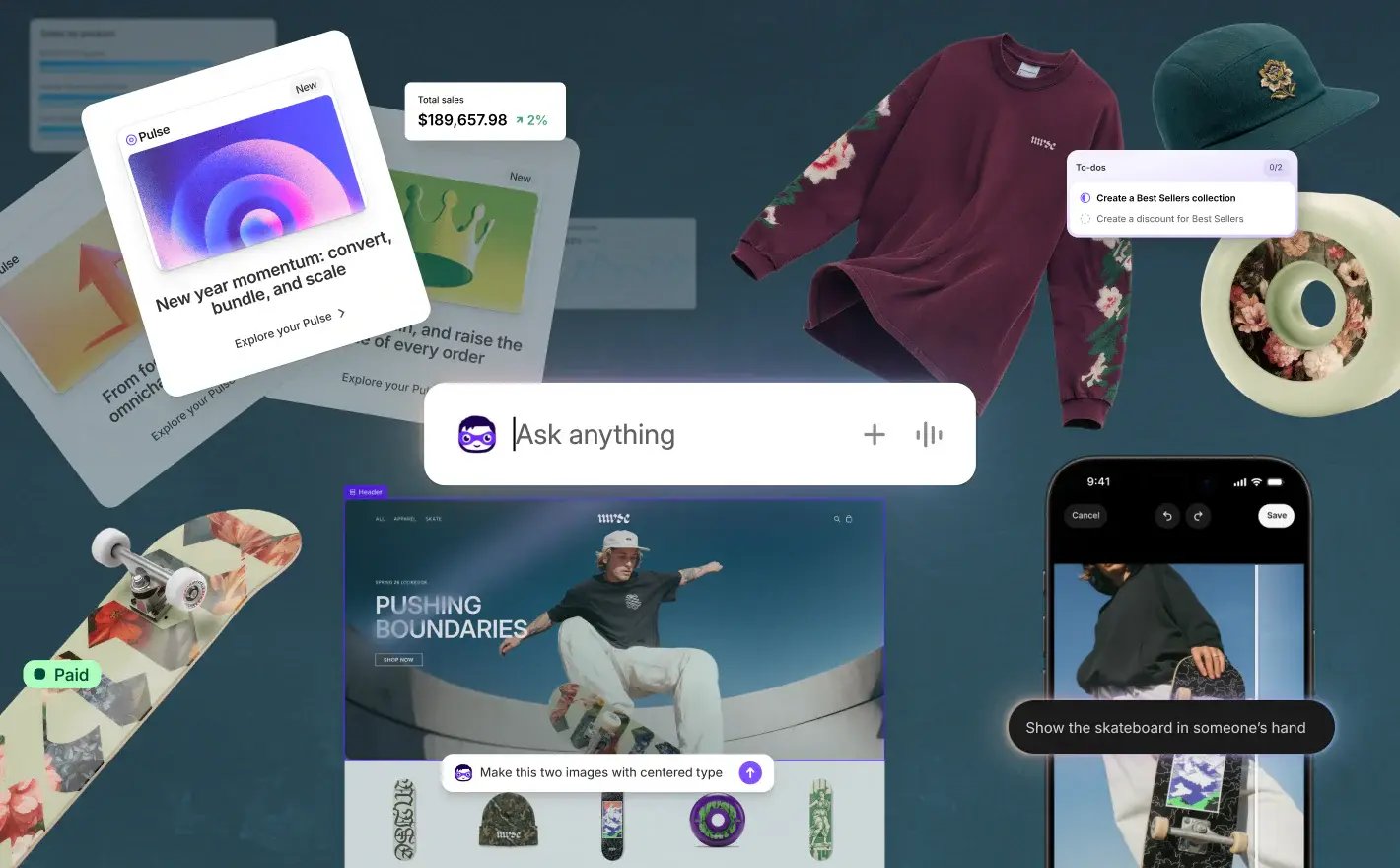
Sidekick: AI business partner providing proactive recommendations, custom app generation, workflow automation, theme editing, and data analysis through conversational interface.
Key Features:
- Sidekick Pulse delivers personalized recommendations using market trends and store data
- Custom app generation through natural language descriptions
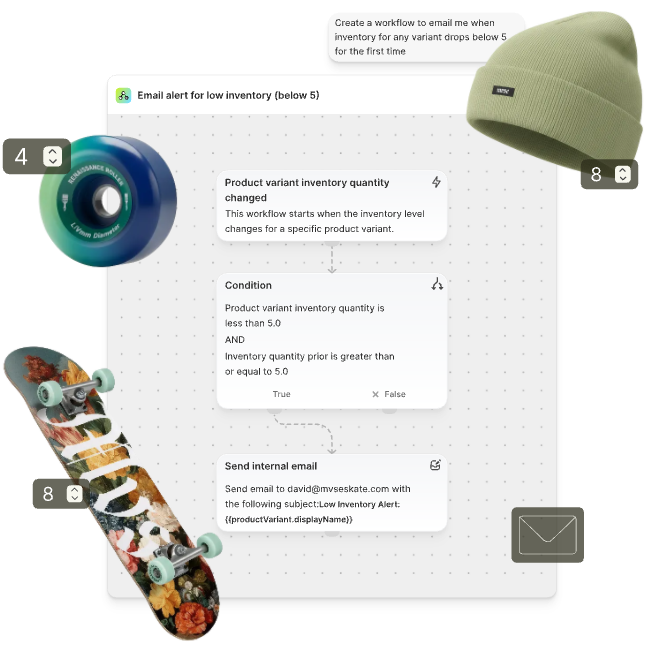
- Workflow automation creation for Shopify Flow
- Theme editing via conversational commands
- Custom analytics reports and data visualizations
- Reusable Skills system for prompt templates
Business Impact: Operations teams can build custom tools, automate workflows, and analyze data without developer resources. Changes team structure, process design, and capability requirements.
Read detailed analysis: AI-Powered Operations Impact
2. Risk-Free Testing
SimGym: AI-powered simulator using data from billions of Shopify transactions to test store changes with virtual shoppers before real customer exposure.
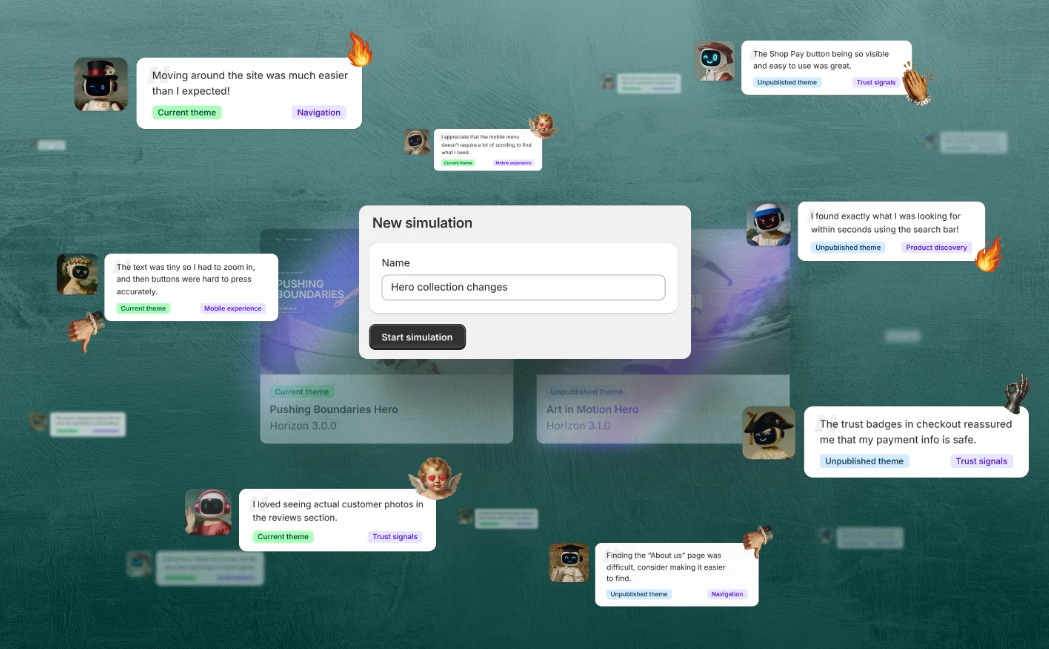
Rollouts: Built-in deployment system for scheduling changes, A/B testing, and gradual rollouts with instant rollback capability.
Key Features:
- SimGym simulates shopper behavior and provides actionable recommendations
- Rollouts enables percentage-based traffic deployment
- A/B testing directly in admin without third-party tools
- Scheduled theme changes and campaign launches
- Combined workflow: SimGym simulation, then Rollouts validation
Business Impact: Reduces launch risk, enables aggressive innovation, faster iteration cycles. Requires testing culture, program management, and result interpretation capabilities.
Read detailed analysis: Risk-Free Innovation Strategy
3. Revenue Channel Expansion
Agentic Storefronts (US ONLY & COMING SOON) : Products appear in AI chat platforms (ChatGPT, Microsoft Copilot, Perplexity) where users shop conversationally.
Product Network: Surface complementary products from other Shopify merchants in search, collections, emails, and post-purchase pages. Earn commission without holding inventory.
Retail & B2B: POS Hub hardware for reliable retail operations, subscription enrollment in-store, B2B payment features (ACH), and global payment expansion.
Key Features:
- Agentic Storefronts syndicate products to AI platforms automatically
- Product Network enables inventory-free catalog expansion
- POS Hub provides wired reliability for retail operations
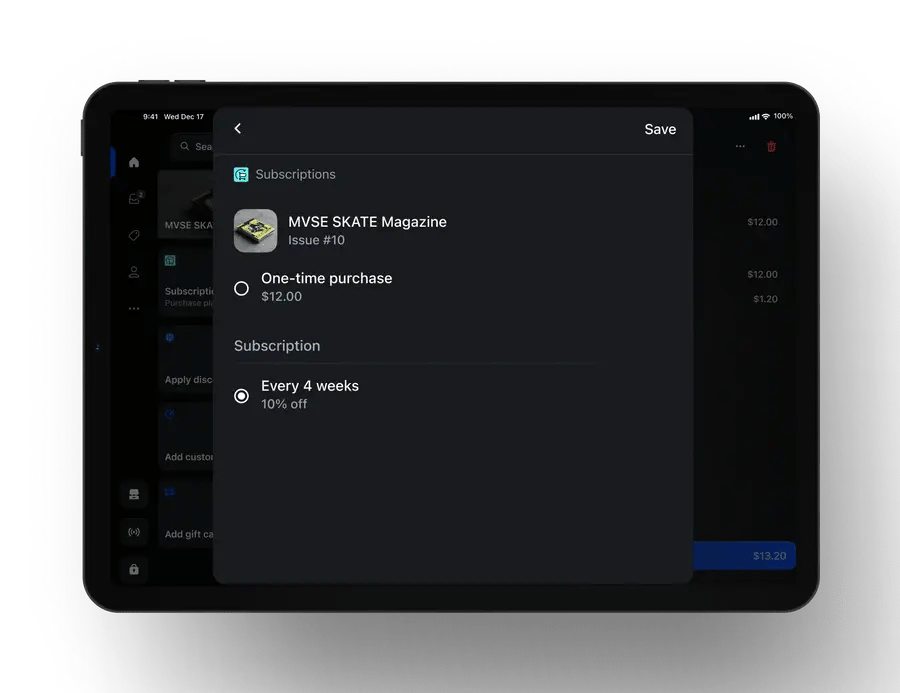
- Subscriptions on POS for in-store recurring revenue
- Quick Count for real-time inventory updates
- ACH payments and multi-shipment management for B2B
- Shop Pay Installments expanded to UK (up to 24 months)
- Klarna available in 8 additional countries
Business Impact: Opens revenue streams beyond traditional website traffic. Requires multi-channel strategy, customer experience consistency, and resource allocation decisions.
Read detailed analysis: Revenue Channel Expansion Strategy
Business Scenarios Where Winter '26 Fits
Scenario 1: AI-Forward Business Strategy
Situation: Leadership has determined AI integration is strategic priority for operational efficiency and competitive positioning.
Winter '26 Relevance:
- Sidekick provides AI business partner for daily operations
- Custom app generation without developer hiring
- Workflow automation through conversational interface
- AI-powered testing reduces launch risk
- Agentic Storefronts position in AI shopping channels
Key Question: Does AI-native platform align better with strategy than adding AI through integrations?
Scenario 2: Multi-Channel Operations
Situation: Business operates or plans to operate across online, retail, and wholesale channels with unified data requirements.
Winter '26 Relevance:
- POS Hub provides reliable retail hardware
- Unified inventory across all channels
- Subscriptions enrollment in-store
- Ship-from-store with same-day delivery (Uber Direct)
- B2B features for wholesale operations
- Single customer view across touchpoints
Key Question: Does unified commerce platform simplify operations vs. separate systems per channel?
Scenario 3: Testing and Optimization Culture
Situation: Business prioritizes data-driven decisions and continuous optimization but lacks testing infrastructure.
Winter '26 Relevance:
- SimGym enables testing before customer exposure
- Rollouts provides safe deployment methodology
- A/B testing built into admin
- Combined simulation and validation workflow
- Reduces risk of revenue-impacting mistakes
Key Question: Is built-in testing capability more valuable than third-party tool integration?
Scenario 4: International Expansion Plans
Situation: Business expanding beyond domestic market with currency, payment, and tax complexity.
Winter '26 Relevance:
- Shop Pay Installments in UK (up to 24 months)
- Shop Pay with Global-e for international processing
- Klarna in 8 additional countries
- Market-specific checkout customization
- Multi-currency and tax handling
Key Question: Does global commerce infrastructure reduce international launch complexity?
Scenario 5: Inventory-Free Growth
Situation: Specialized retailer with strong customer relationships but limited SKU breadth. Customers request products outside core offering.
Winter '26 Relevance:
- Product Network surfaces complementary items from partners
- Commission revenue without inventory investment
- Maintain customer relationship when fulfilling through network
- Test category demand before inventory commitment
Key Question: Does inventory-free expansion model fit business strategy and brand standards?
Scenario 6: B2B and B2C Hybrid
Situation: Business serves both direct consumers and wholesale/B2B customers with different pricing and terms requirements.
Winter '26 Relevance:
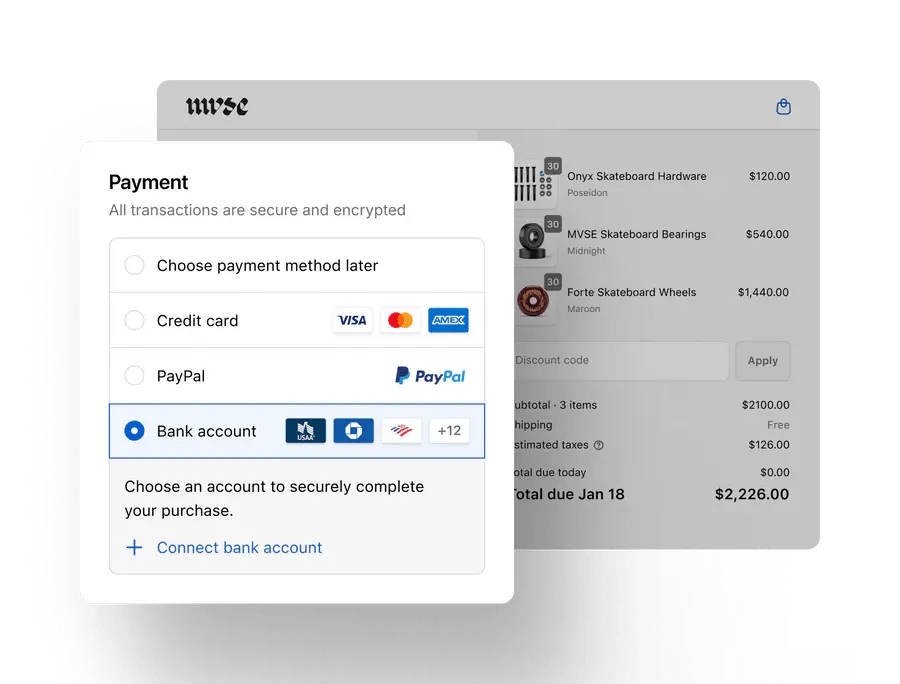
- ACH payment acceptance for B2B transactions
- Payment requests per shipment for multi-shipment orders
- Shopify Collective for wholesale network (35 countries)
- Separate B2B and B2C storefronts
- Custom pricing per customer segment
Key Question: Does unified platform for B2B and B2C simplify operations vs. separate systems?
Shopify Winter '26 vs. Traditional E-Commerce Platforms
AI Integration Approach
Traditional Platforms:
- AI capabilities added through third-party apps
- Disconnected AI tools for different functions
- Integration complexity and maintenance burden
- Data silos between platform and AI tools
Shopify Winter '26:
- AI embedded throughout platform natively
- Single AI partner (Sidekick) across all operations
- Unified data model for AI to learn from
- Conversational interface for multiple functions
Testing Capabilities
Traditional Platforms:
- Third-party A/B testing tools required
- Testing only with real customer traffic
- Risk inherent in every test
- Separate tools for different test types
Shopify Winter '26:
- SimGym and Rollouts built into admin
- AI simulation before real traffic exposure
- Combined prediction and validation workflow
- Testing capability as platform foundation
Channel Strategy
Traditional Platforms:
- Website-centric commerce
- Manual integration for each new channel
- Separate systems for retail, wholesale, marketplaces
- Complex data synchronization
Shopify Winter '26:
- Multi-channel by design
- AI platforms (ChatGPT, Copilot) as native channels
- Unified retail through POS Hub
- Product Network as built-in marketplace capability
- Single data model across all channels
Operations Model
Traditional Platforms:
- Developer required for customization
- Manual workflow execution
- Separate analytics tools
- Point solutions for specific needs
Shopify Winter '26:
- Conversational customization through Sidekick
- AI-assisted workflow automation
- Integrated analytics with AI analysis
- Platform-native capabilities reduce tool sprawl
Critical Questions for Your Team
Strategic Fit Questions
- Does AI integration align with our 3-year strategy?
Consider: Competitive positioning, operational efficiency goals, customer experience vision
- Are we solving problems Winter '26 addresses?
Consider: Current platform limitations, manual processes, testing challenges, channel gaps
- Is now the right time for platform change?
Consider: Business stability, resource availability, strategic initiatives, market conditions
Capability Questions
- Which Winter '26 capabilities are most valuable to us?
Rank: AI operations, testing tools, revenue channels, retail features, B2B capabilities
- Can we effectively use AI-powered features?
Consider: Team readiness, training capacity, change management capability, support needs
- Do we need built-in testing vs. third-party tools?
Consider: Current testing approach, risk tolerance, optimization culture, resource constraints
Implementation Questions
- Do we have resources for platform migration?
Consider: Budget, team availability, timeline flexibility, business disruption tolerance
- Should we use agency support or self-implement?
Consider: Internal expertise, complexity of needs, speed requirements, risk tolerance
- What's our phased rollout strategy?
Consider: Which features first, pilot approach, full deployment timeline, success metrics
Alternatives Questions
- Have we evaluated alternatives thoroughly?
Consider: Other AI-powered platforms, current platform upgrades, build vs. buy tradeoffs
Common Questions
What is Shopify Winter '26?
Shopify Winter '26, called the Renaissance Edition, is a platform update featuring AI-powered operations through Sidekick, risk-free testing with SimGym and Rollouts, and new revenue channels including Agentic Storefronts and Product Network.
Who should consider joining Shopify in 2026?
Businesses prioritizing AI integration in operations, those needing built-in testing capabilities, companies expanding to multiple sales channels, retail operations requiring unified inventory, and B2B commerce operations should evaluate Shopify Winter '26.
What are the main capabilities in Winter '26?
Winter '26 introduces AI operations (Sidekick for automation and custom apps), testing tools (SimGym simulation and Rollouts deployment), revenue channels (Agentic Storefronts, Product Network), retail integration (POS Hub), B2B commerce features, and global payment expansion.
How is Winter '26 different from traditional e-commerce platforms?
Winter '26 embeds AI natively into the platform rather than requiring third-party integrations. It includes built-in testing capabilities, AI-powered channel expansion, and unified data across all touchpoints without additional tools.
Do I need technical expertise to use Winter '26 features?
Many Winter '26 features use conversational AI interfaces, reducing technical barriers. However, strategic implementation, testing program design, and multi-channel integration typically benefit from agency partnership support.
Can we migrate from our current platform to Shopify?
Platform migration is possible with proper planning. Data transfer, design recreation, feature mapping, and process redesign require structured approach. Most businesses partner with agencies for migration to ensure continuity and reduce risk.
What's the typical implementation timeline?
Implementation timeline varies by complexity. Foundation setup requires one to two months. Full capability enablement spans three to six months depending on feature scope, organizational readiness, and resource availability.
How do we know if Winter '26 is right for our business?
Use the evaluation framework in this guide. Assess strategic alignment, operational readiness, and capability mapping. If four or more strategic questions align positively and you have medium to high operational readiness, Winter '26 warrants serious consideration.
Should we use agency support or implement ourselves?
Agency support is recommended for strategic implementation planning, complex feature setup, testing program design, and multi-channel strategy. Self-implementation works for businesses with strong internal e-commerce expertise and simpler requirements.
What happens after we decide to join Shopify?
After decision, begin with discovery phase to document requirements and constraints. Develop detailed implementation roadmap with phased approach. Execute migration with agency support if needed. Launch optimization programs to maximize platform value.
Need Help Evaluating Shopify Winter '26?
CLEARgo is a Shopify Plus Partner agency helping businesses across Greater China and Southeast Asia evaluate and implement Shopify's commerce platform.
Platform Evaluation Services:
- Current platform assessment and pain point analysis
- Shopify Winter '26 fit evaluation for your business model
- Feature mapping to your specific requirements
- Total cost of ownership analysis and comparison
- Implementation roadmap development with phased approach
- Migration planning and execution support
Winter '26 Capability Assessment:
- Which AI, testing, and channel features apply to your business
- Implementation complexity and resource requirements
- Strategic planning for capability adoption
- Testing program design and management
- Multi-channel strategy development
Our clients include: Canon, Haagen Dazs, Estee Lauder, and Sasa across Greater China and Southeast Asia.
Schedule Platform Evaluation Consultation | Learn About CLEARgo
Published December 12, 2025 | CLEARgo | Official Shopify Winter '26 Documentation